
Journal
the moxi
Blick hinter die Kulissen visueller & verbaler Räume: Beobachtungen zu Kommunikation, Sichtbarkeit, Typografie, Design und Kunst.




Second Brain: Erfolgsfaktor fürs Unternehmen oder Hype?
Derzeit ist das Second Brain überall im Gespräch. Und gleich bieten geschäftstüchtige Experten entsprechende Onlinekurse an, die Unternehmen lehren, wie KI Ideen sammelt, strukturiert und damit Inhalte erstellt, die „authentisch” sind. Klingt fortschrittlich, doch solange die Basis nicht steht – eine informative Website, auf die alles hinführen soll –, ist das nur eine weitere Toolbox. Und auch der bürokratische Aufwand und das Handling der generieren Datenflut müssen im Verhältnis zum Ertrag stehen. Ein Blick auf den Hype – und wo er wirklich trägt.

Website – wenn Komplexität zum Geschäftsmodell gehört
Wenn Unternehmen heute einen neuen Online-Auftritt angehen, dauert es keine drei Minuten, und der Name WordPress fällt. 2026 halten Agenturen, Programmierer und Online-Marketer an dem Narrativ fest: „Das ist der Gold-Standard, die gängigen Web-Baukästen reichen nicht aus.” Irrtum, eine moderne Plattform wie Squarespace bietet vielfältigere Optionen für funktionales sowie ästhetisches Webdesign. Ein Realtalk für Unternehmen, der ihnen die Wahl der richtigen Plattform leicht macht.
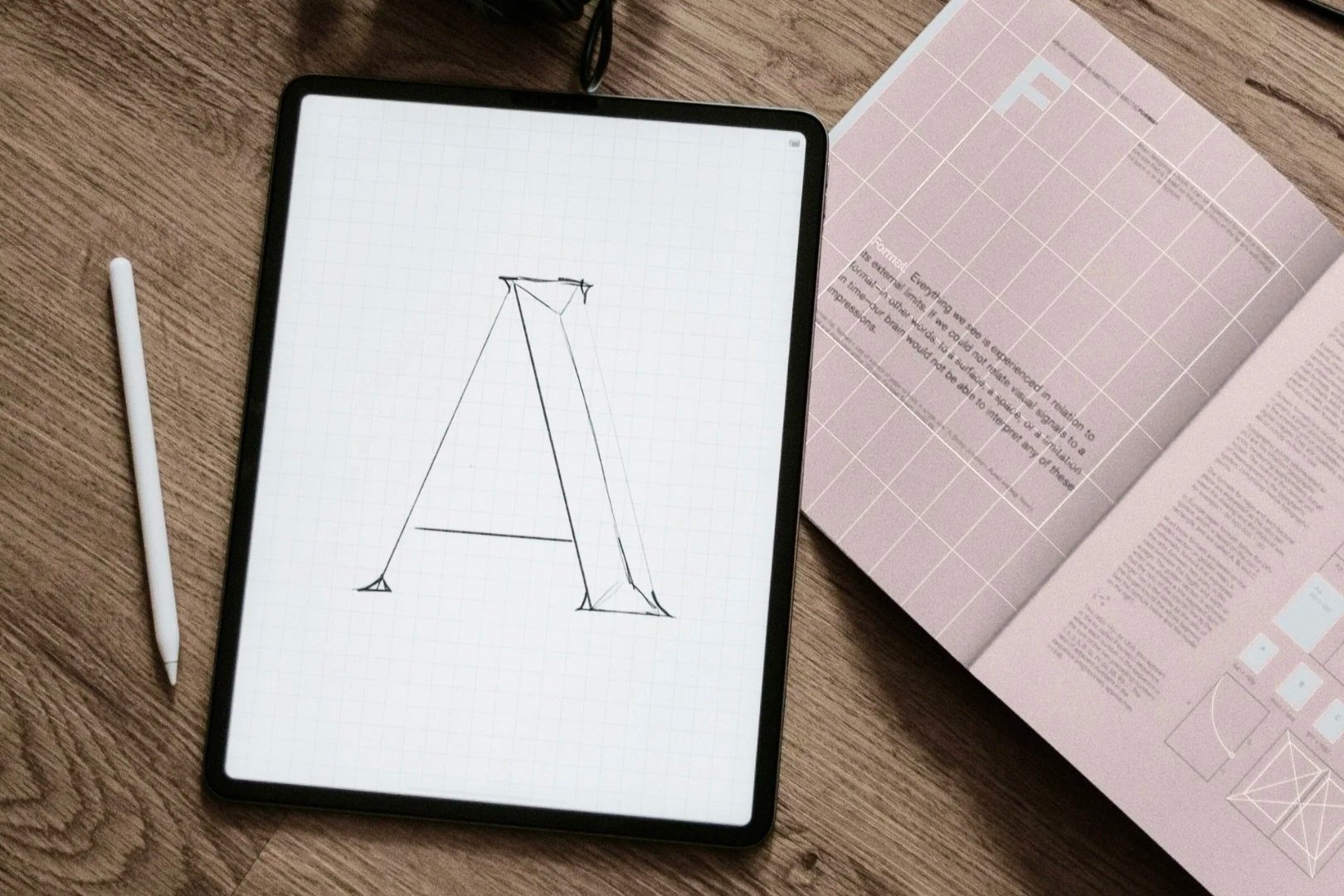
Typografie als Statement: Wege zu einer markanten Schrift für Deine Website
Schrift gehört zu den wichtigsten Entscheidungen beim Design. Sie prägt den Charakter einer Marke ebenso wie Farben, Bilder oder Logos. Sie vermittelt Information, schafft Struktur und führt das Auge. Gerade auf Websites ist richtige Typografie entscheidend. Doch die Auswahl – in Squarespace, InDesign, Canva und bei Fonts-Anbietern – ist überwältigend. Dieser Artikel zeigt, warum eine ausgewogene Schriftwahl wichtig ist, listet Anbieter und gibt mit dem moxi typeguide einen Leitfakt für passende Kombinationen
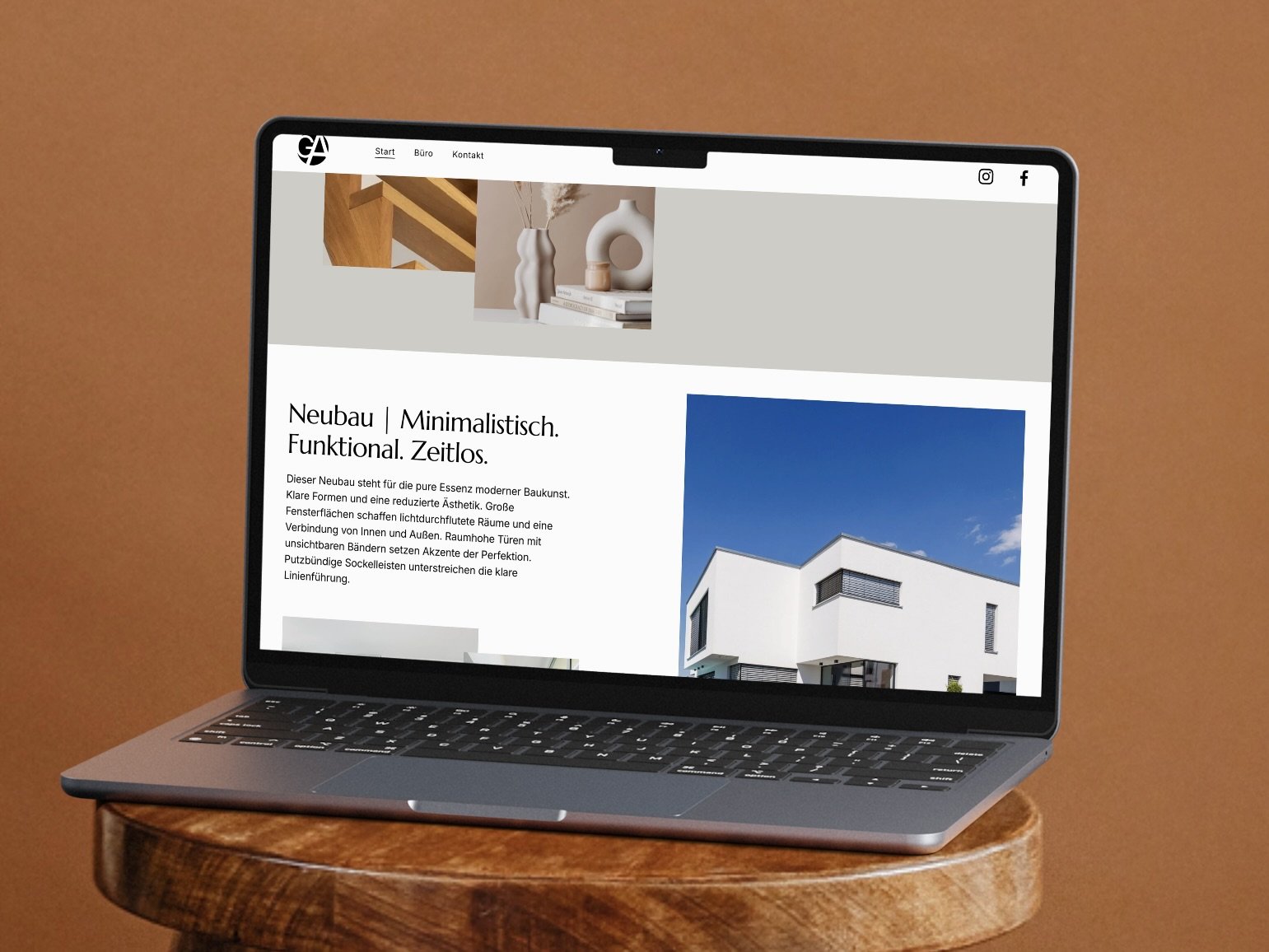
Websites für Architekten oder der Moment, in dem aus Interesse ein Auftrag wird
Liegt die Website immer noch auf Eis und rutscht von einer Prioritätenliste zur nächsten? Dann lohnt sich ein Blick darauf, was Architekturstudios berichten, nachdem ihr digitaler Auftritt neu gedacht wurde. Von Anfragen, klaren Entscheidungen und Projekten, die genau zu ihnen passen. Und davon, warum das kein Zufall ist.

Wandel und Perspektiven im Architekturbüro: Was die Website jetzt leisten muss
Ein Architekturbüro wächst über Jahre. Projekte reihen sich aneinander, Qualität und Empfehlungen wachsen – das Werk trägt. Und dann verändert sich etwas: Der Gründer zieht sich zurück, eine neue Generation übernimmt. Und plötzlich steht die Frage im Raum: Spiegelt unser Webauftritt eigentlich das wider, wofür wir stehen? Ist er so modern, inspirierend und stilistisch führend wie unsere gebauten Räume?
Gerade im Moment eines Generationenwechsels verdichten sich Identität und Zukunft. Verantwortung verschiebt sich, Entscheidungen werden neu getroffen. Genau hier gewinnt die Website strategische Bedeutung und entfaltet Wirkukng für ein Büro.
Why price-sensitive clients cost you more than money —and how to filter them out
The project sounds appealing, the client seems likeable. The price will "work out fine" for both sides. And then the client wants something completely different. Three months later: the fifth round of revisions, evenings gone, weekends gone — and the feeling that the invoice still doesn't add up. This isn't bad luck. It's a pricing and positioning problem: these clients aren't buying your expertise — they're buying the cheapest access to it. What follows is scope creep, micromanagement, endless back-and-forth. Not because they're difficult people, but because their mindset makes it inevitable. Here are five typical scenarios.

Staying productive as a creative and architect: 10 favourite tools for focus, workflow & content
A blinking cursor, mental block, and the question: what worked in 2025, what should my last blog post of the year be about? No idea, nothing's coming to me... Then white noise brought me to the idea for this article: I'm introducing you to my favourite tools. They make workflows easier and might be useful for you too – now and in 2026.

Focus, clarity, visibility – for architects, designers & creatives
It all starts in the mind. Before brands take shape, concepts form, or words tell a story – before websites launch and impress – you need focus, clarity, and confidence in process and self. The whole exceeds its parts, as Aristotle knew: meaningful connections create true value. Here, that means confident positioning, visibility, and attracting ideal clients. A take on synergy and trust.
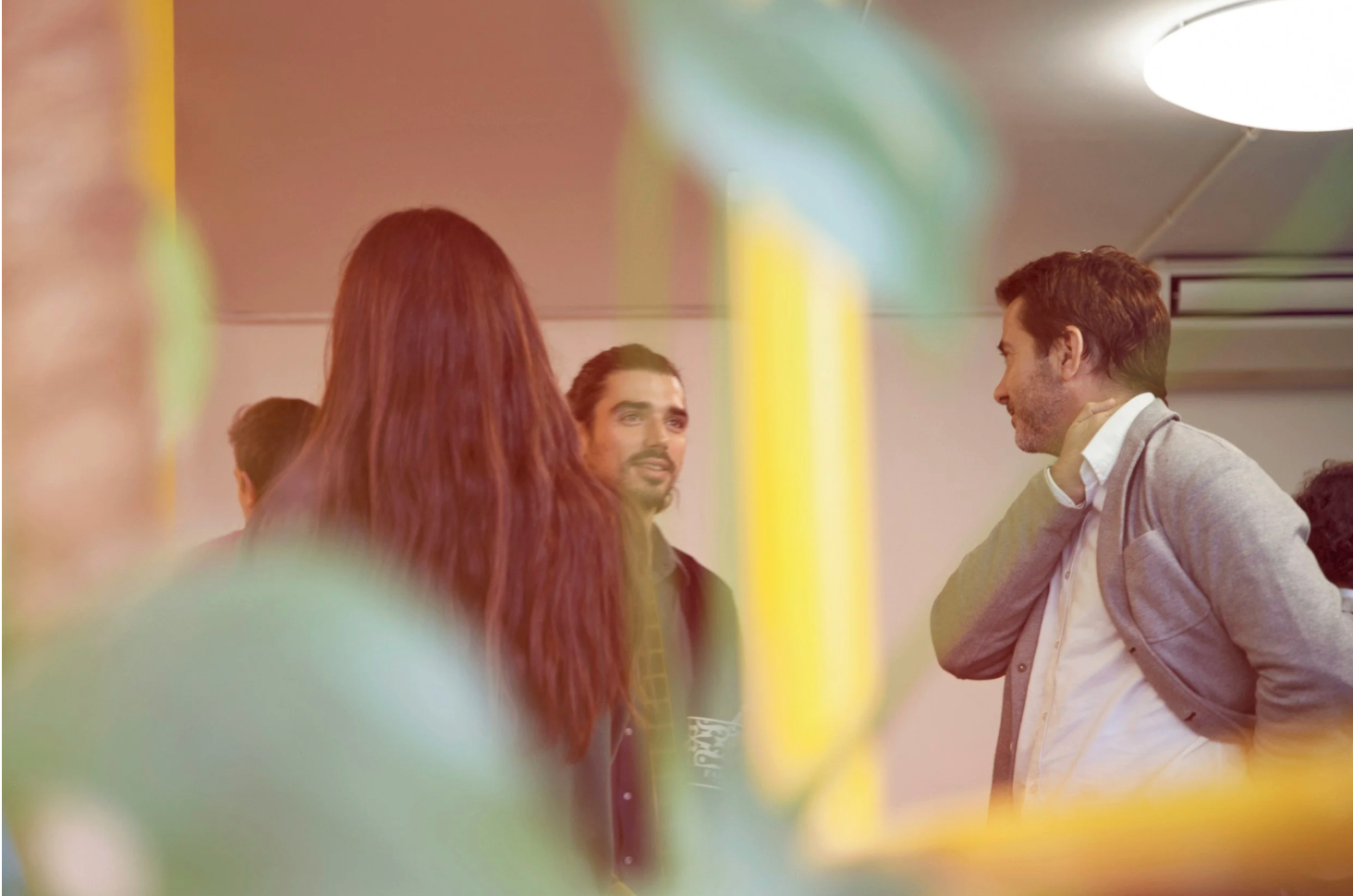
Marketing for architects and creatives: why specialization beats variety — embracing the courage of decisive focus
Many creatives, architects, and service providers see broad positioning as freedom: Don't commit to one direction, keep all options open. But those who don't make clear decisions in business – for or against something – become interchangeable. The supposed variety costs more than it delivers, often leading to price wars. If customers struggle with yogurt variety at the supermarket, how should they navigate larger investments and diverse service offerings? Why bold focus liberates – and how clear positioning becomes a decisive competitive advantage that attracts the right clients.

Small cake, big Price? How creatives & architects offer their clients a win-win
Small cake, big price? Why that's not a good idea – and what it has to do with the creative business. The other day I was back at my favourite café. A place with style, soul and delicious aromas. Everything homemade, the selection vast, the cake delicious and the slices: generous. The cappuccino perfectly frothed, the owner's smile genuine. A moment when everything feels right. And I'm happy to pay for that, because the experience works – for both sides.
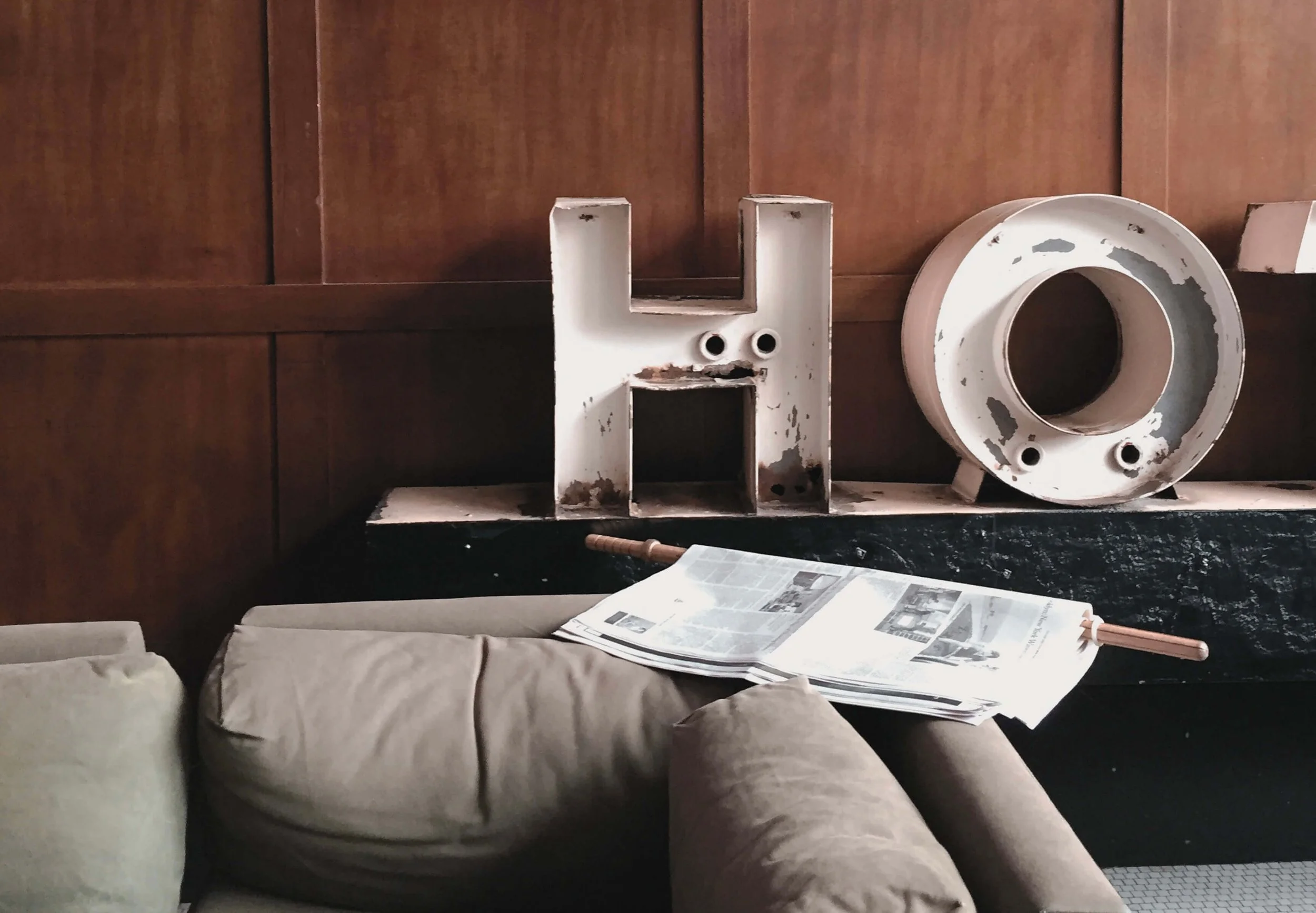
30 best website fonts and pairings for a stylish brand
Font choice is one of the most underestimated design decisions. Yet it often shapes your brand's look more powerfully than color or logo. On websites especially, typography is a central design element—it provides structure, mood and style. But with hundreds of fonts in tools like Squarespace or Canva, it's easy to lose track. This article shows you how to find suitable combinations — for strong brand impact and cohesive design across all channels.
For those who want a deeper dive, the moxi Typeguide offers an exclusive lookbook of curated font pairings and pro tips to master typography across web and print.